https://www.demilked.com/scary-nature/?utm_source=facebook&utm_medium=link&utm_campaign=DemilkedFB&fbclid=IwAR0nXe3gyj7ND0mfc5OwqdteYlbmaLXEdZ8u7RTfSqYSV8Vg7bXFLFQzNDY
30 Times Nature Scared The Life Out Of Us
You have to agree that almost everything about nature is awesome – from the
animals to the
trees. But then there’s the ‘almost’ part – sometimes the same nature that gave us
foxes and
squirrels gives us giant bats and palm-sized spiders that might make you soil your pants.
Read more
#1 What Do You Do When You See A Flying Fox In Your Backyard? (The Philippines)
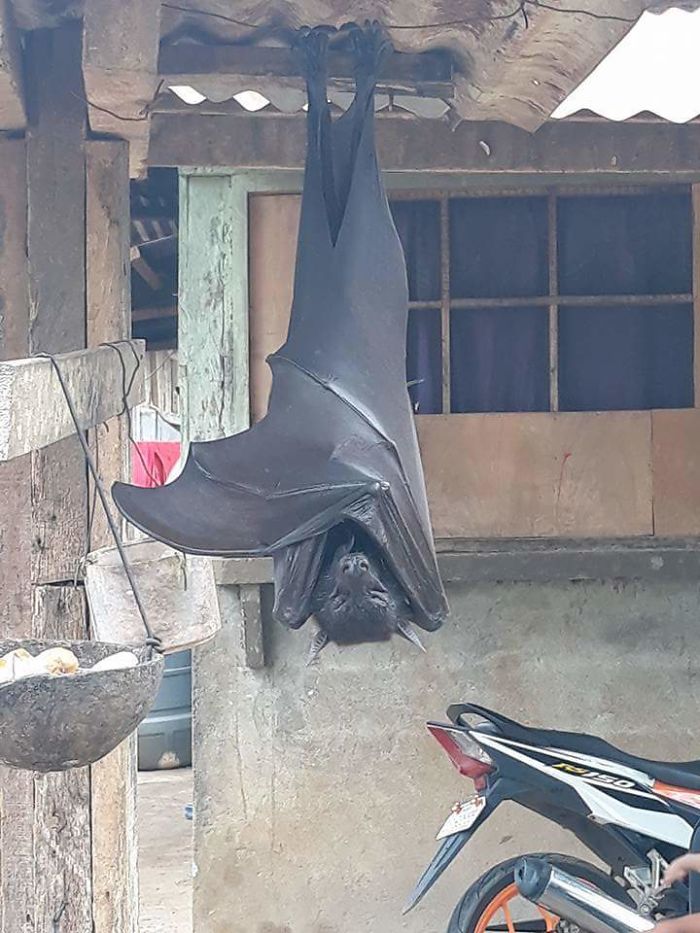
Image source:
sakundes
No that’s not Bruce Wayne, err, we mean, Batman taking a nap – it’s
actually the fox bat, sometimes called the flying fox. It’s one of the
largest bats in the world, with its wingspan reaching up to 5 ft
(1.5 m). Fox bats are typically found on tropical islands and mainland
Asia. And don’t worry about this giant bat eating you – they are
frugivores, meaning they only eat fruit.
#2 Haven’t Cleaned Behind The Dresser In Months
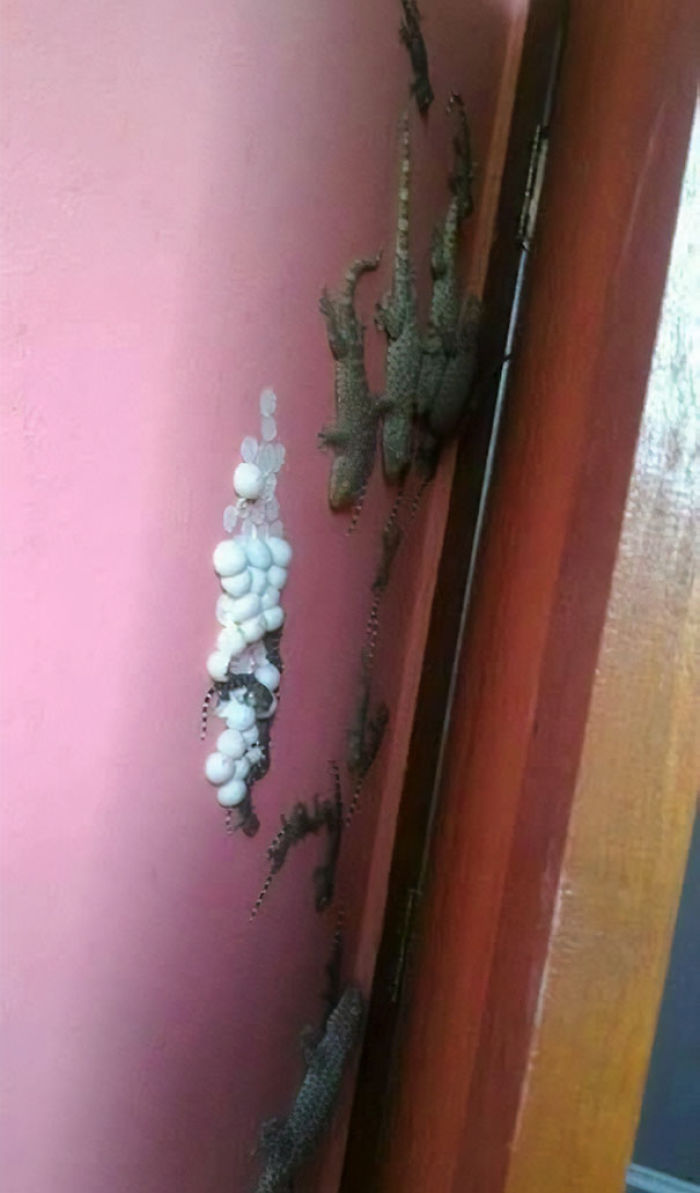
Image source:
philprice78
Fun fact about lizards: not all of them lay eggs, some of them, like
Solomon island lizards, actually give birth to live younglings!
#3 Crazy Bird Tornado
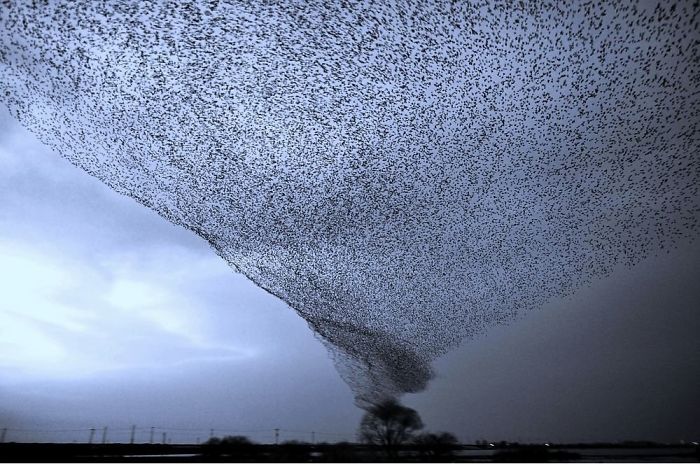
Image source:
wadeybb
While this looks like something straight out of a horror movie, it’s
actually a thick flock of migrating birds called a murmuration. Flying
in such a formation helps birds protect themselves from predators easier
and use less energy while traveling.
#4 Birds Using A Dead Pike’s Mouth To Nest
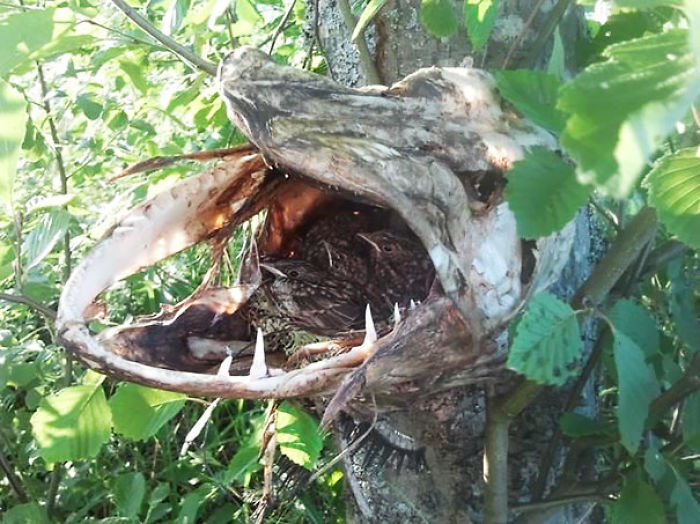
Image source:
agitated_ajax
Pike are known for their abilities to stay completely still for long
periods of time when hunting – boy are those birds in for a surprise
when this one finally decides to close its mouth!
#5 Toads Riding On A Python
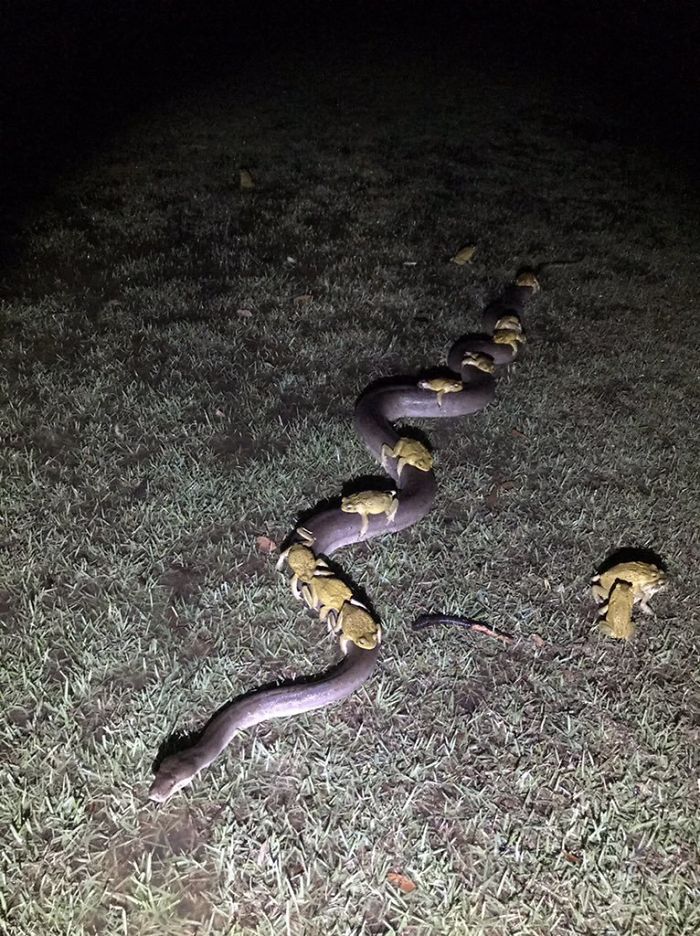
Image source:
MrMeMock
Just some toads taking the python express after a flood in Kununurra. Cowabunga, dudes!
#6 Believe It Or Not, This Is One Of The Least Dangerous Spiders We Have In Australia
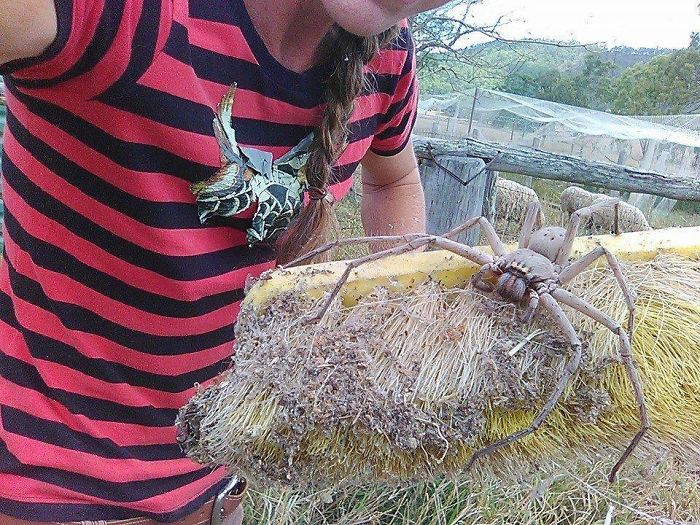
Image source:
PineappleDildo
The huntsman spider is a pretty common sight in Australian homes and
gardens. They are pretty useful to have around as they love to eat
cockroaches and other small bugs. But while we respect what this spider
is doing, we’ll try to steer clear of its path, just in case.
#7 I Want To Ride My Bicycle
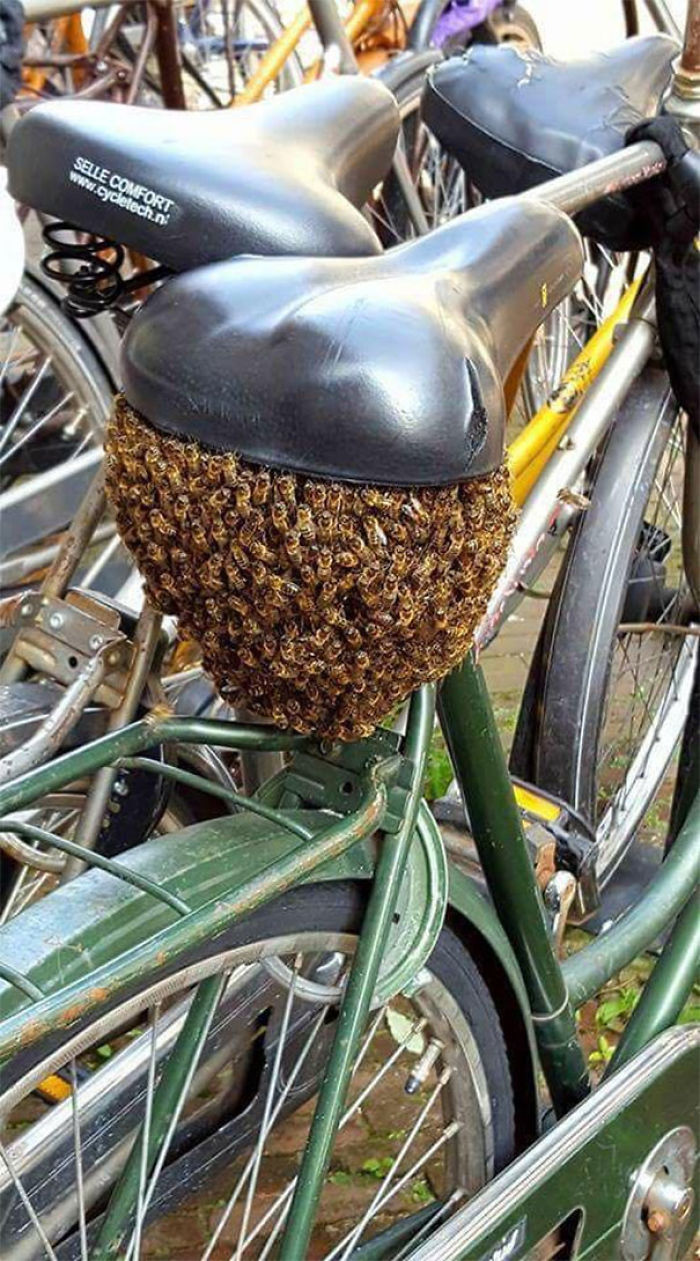
Just remember to bee careful and put on a helmet – falling off without one can really sting!
#8 Sawfish
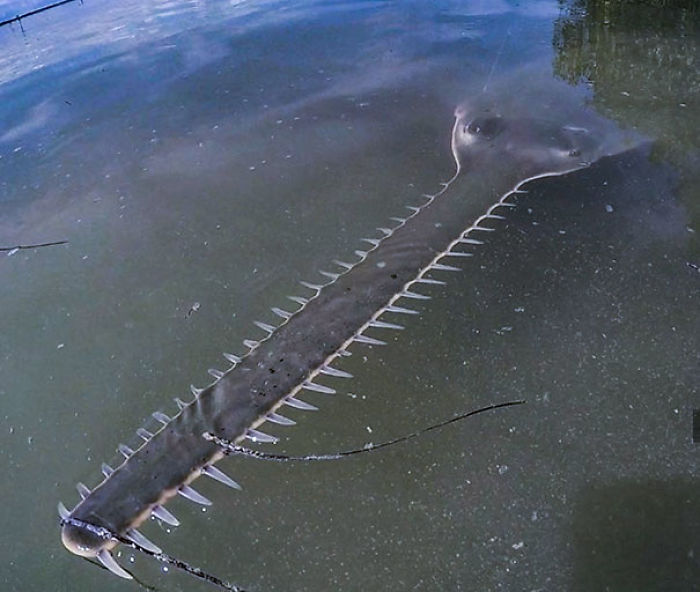
Image source:
crazyfeekus
If the name doesn’t already suggest it, the sawfish is easily
recognized by its long, chainsaw-like snout, called a rostrum. These
fishes use their rostrum to defend themselves during feeding time by
slashing it in a side-to-side motion.
#9 My Town In Central Texas Has A Bird Problem
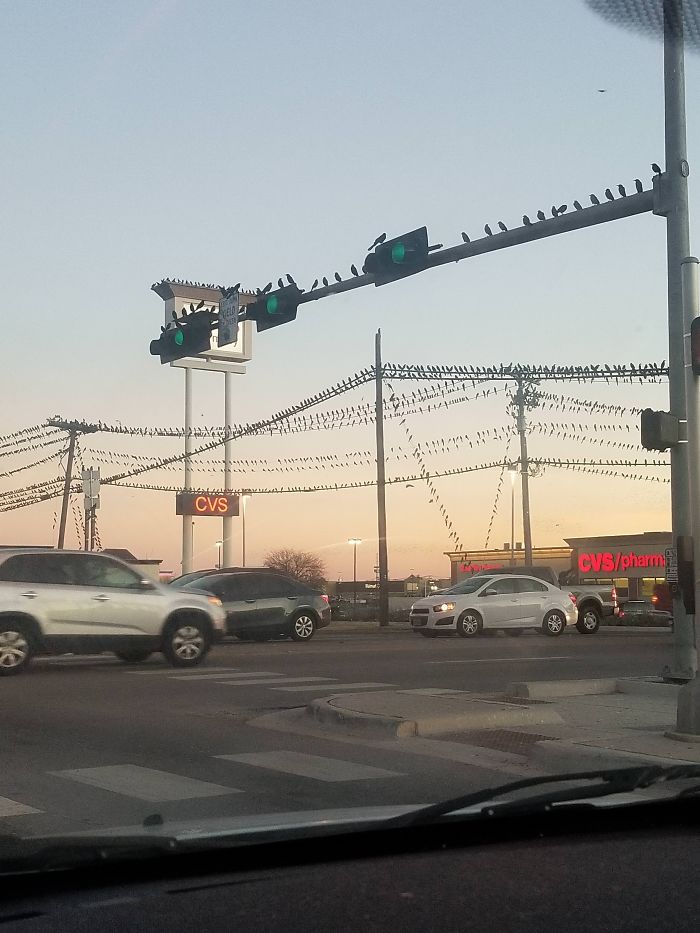
Image source:
ImPrettyNewHere
Every autumn, thousands upon thousands of birds migrate to where it’s
warmer. Keep that in mind next time you’re eating popcorn outside
during that time!
#10 There Was A Friggin Gecko Hiding In My Son’s Toy Spider
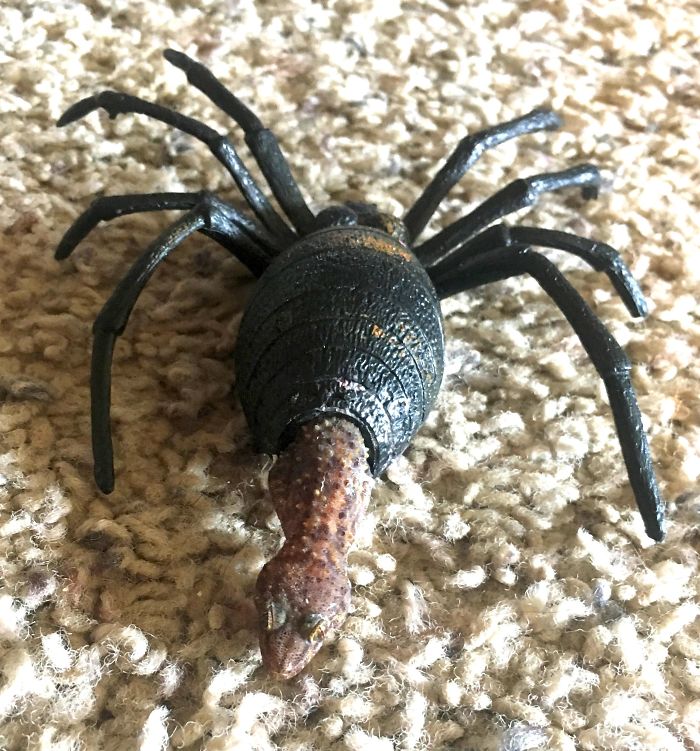
Image source:
quatraine
Geckos are so common all over the world, you can find them in all
continents except for Antarctica. Looks like you can even find them
inside children’s’ toys!
#11 The Fox And The Hound
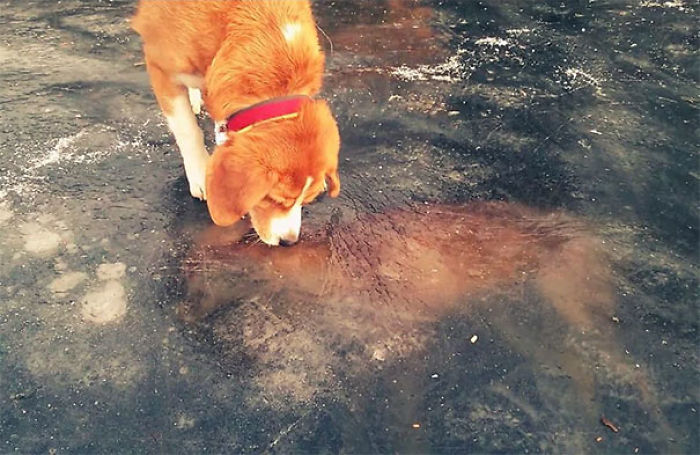
Image source:
Pidiotpong
Sadly, at some point, the fox must have fallen into the water and
drowned. But this good boy came to honor it with a moment of silence.
#12 Lizard Shed His Entire Face In One Go
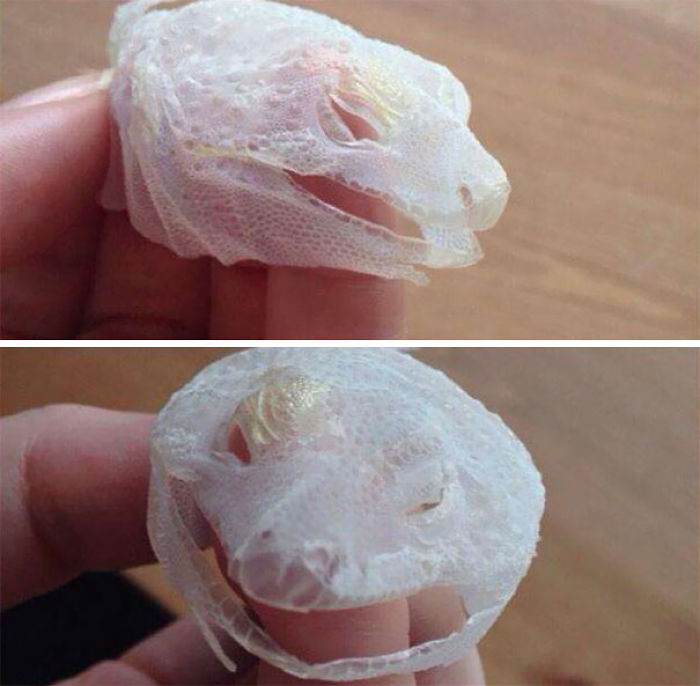
Oh no, looks like the lizard rushed off to the Halloween party and forgot its mask!
#13 Mother And Girlfriend Found This On The Beach Today. Any Idea What It Is?
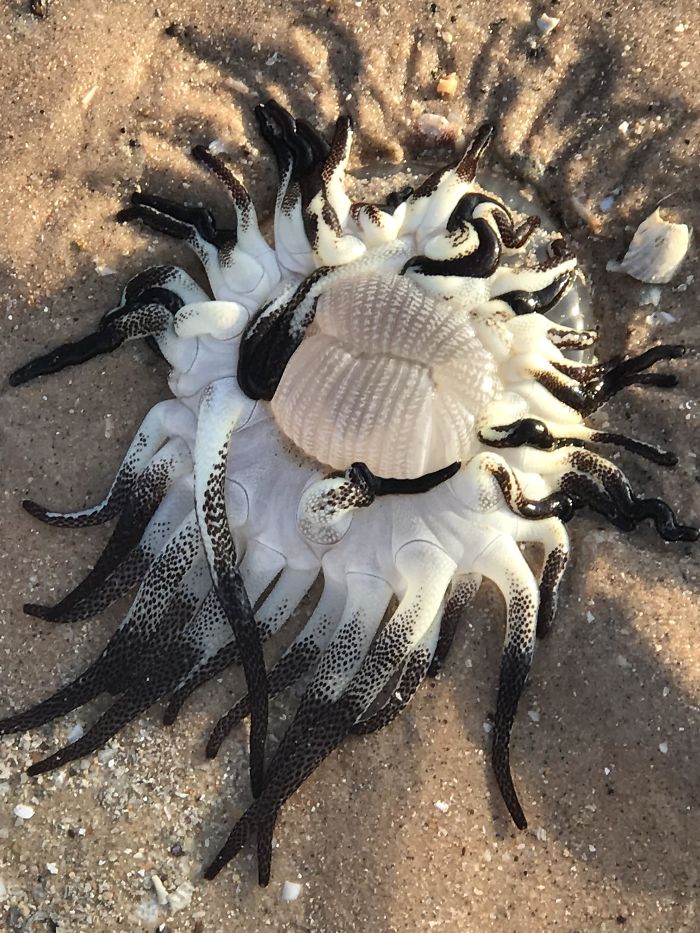
Image source:
Horrorwolfe
While this thing might look like some very expensive dessert you would order at an upscale restaurant, it’s actually
Dofleinia armata – a very dangerous anemone whose stings are not something you’d want to experience.
#14 Death Shrouds From Hell – Spiders Cocooned These Trees To Save Themselves From A Flood
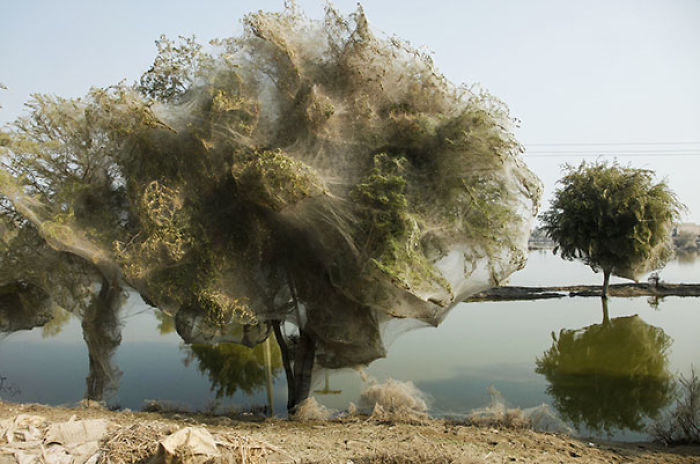
Image source:
Russell Watkins
Back in 2010, a flood hit Pakistan and caused all of the little
insects to look for higher ground – and they did. Russell Watkins, a
multimedia editor with the U.K.’s Department for International
Development (DFID), captured this rare sight of spiders nested atop
trees in the village of Sindh – even the locals have never seen such a
thing before.
#15 Snaggle-Toothed Snake Eel Found On The Beach In Puerto Vallarta, Mexico
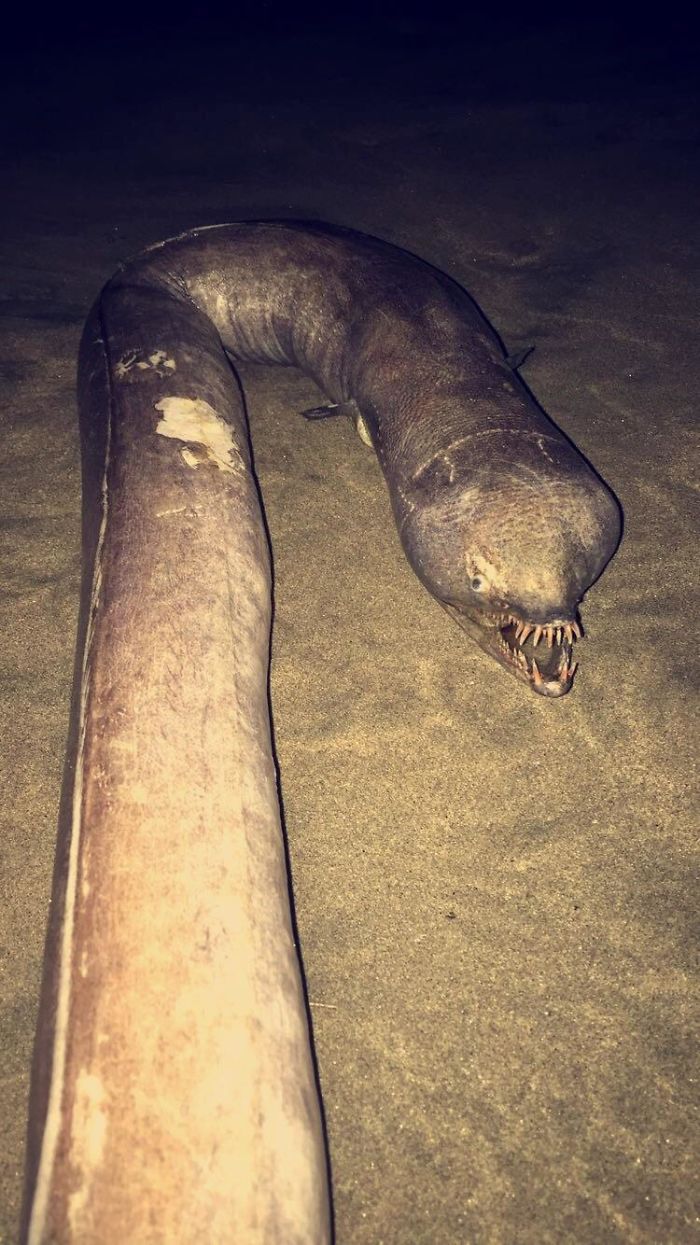
Image source:
Mtaylor0812_
This ‘cute’ creature is the
Aplatophis zorro – the
snaggle-toothed snake eel, typically found the eastern central Pacific
Ocean. These eels can reach over 3ft4in (104 cm) in length and live
about 5 to 10 m (16.4 to 32.8 ft) underwater.
#16 Frog With Eyes In Its Mouth As A Result Of Macromutation
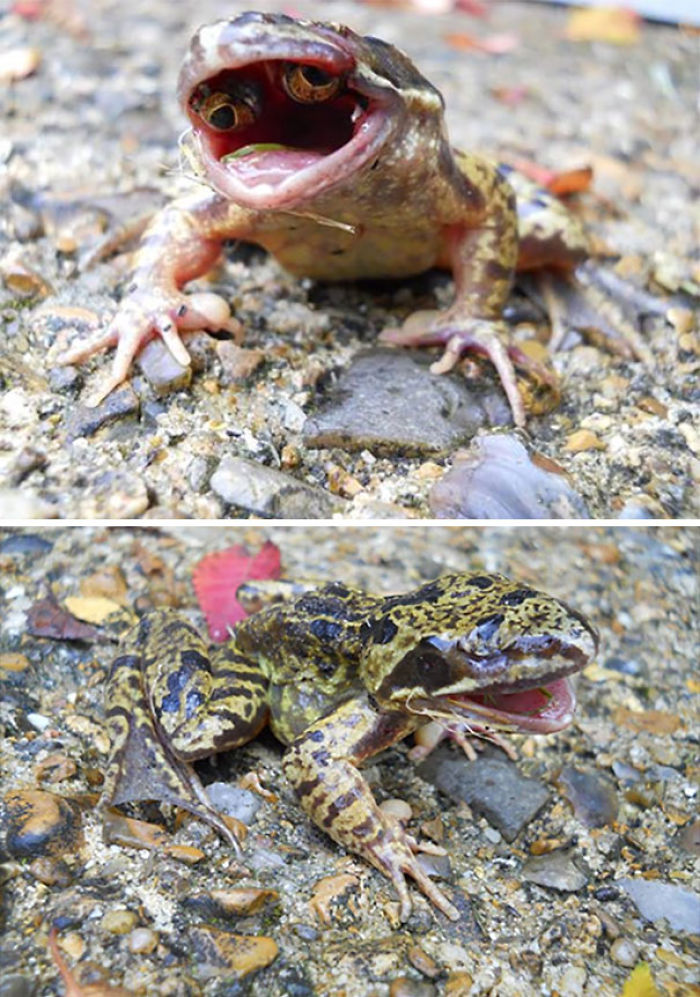
Image source:
Reptile Hunter
This rare mutation is the result of a parasitic infection by
Ribeiroia ondatrae
(trematode worm), that caused a change in a regulatory gene that’s
responsible for the expression many structural genes. This infection can
cause other mutations as well, such as missing and malformed limbs.
#17 This Spider Web That Looks Like A Spider-Man Mask
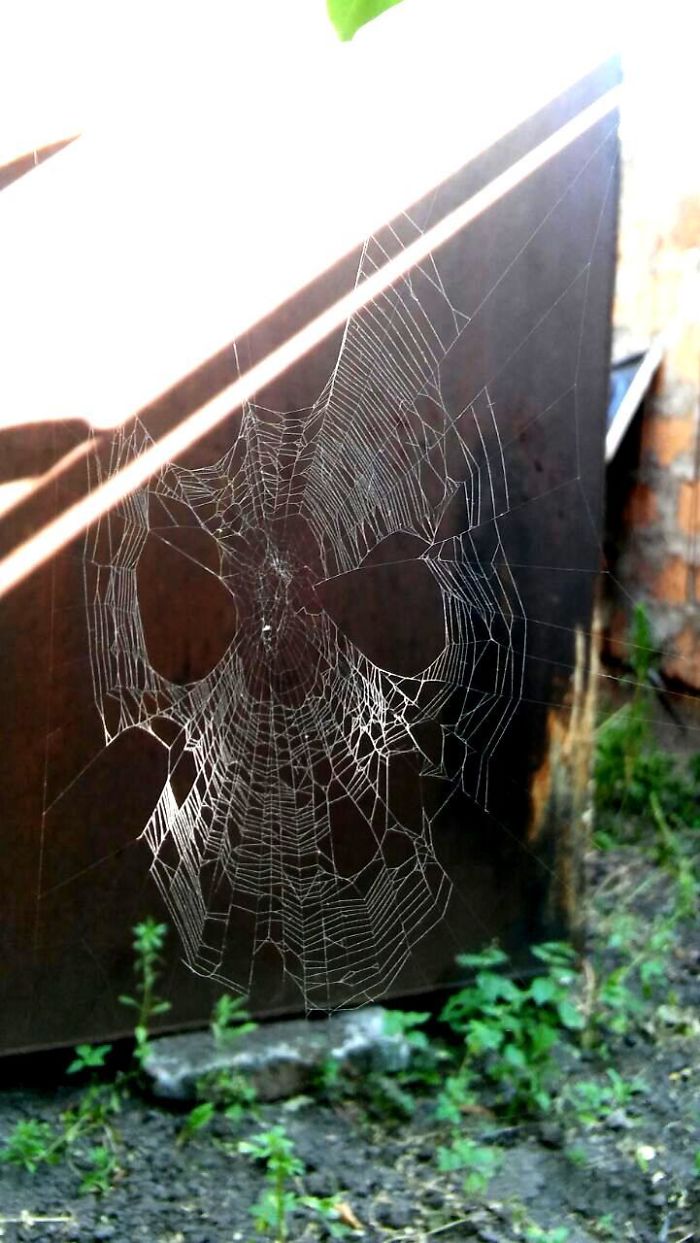
Image source:
meistertigran
Many factors affect the strength of a web, with light and temperature
being just a few of them – and they can lead to some rather unusual web
formations, such as this ‘mask’.
#18 Lactarius Rubidius Growing Out Of Fox Skull
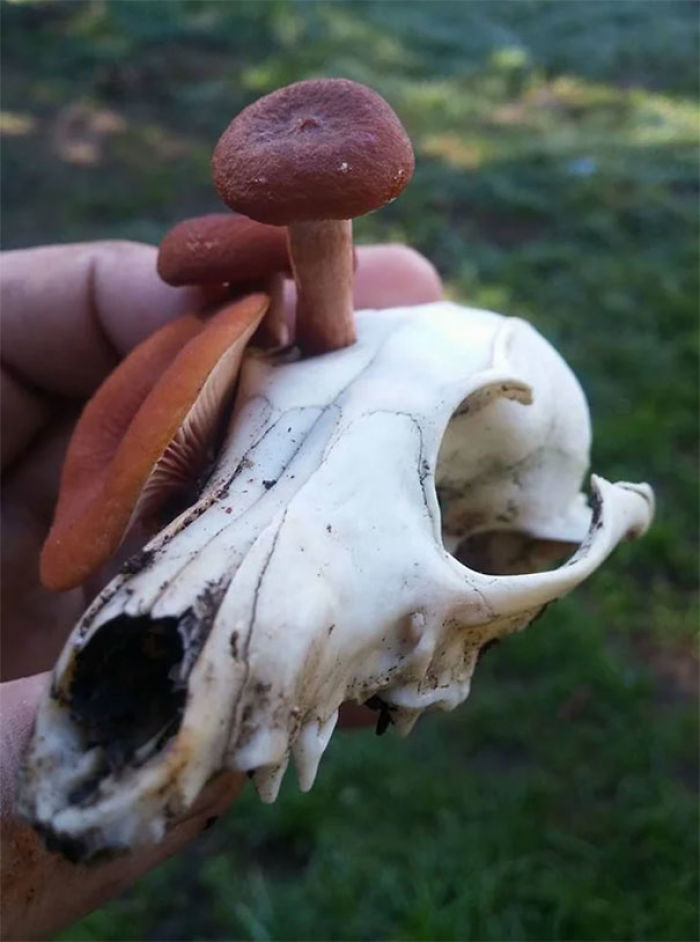
Image source:
Ghost25
The
Lactarius rubidius, known commonly as ‘candy cap’ is a
mushroom found in western North America. They are not your typical
edible mushrooms – these ones are considered to be ‘aromatic mushrooms’
and are mainly used for flavoring.
#19 In Case You Ever Wanted To Know What A Hedgehog Skeleton Looked Like
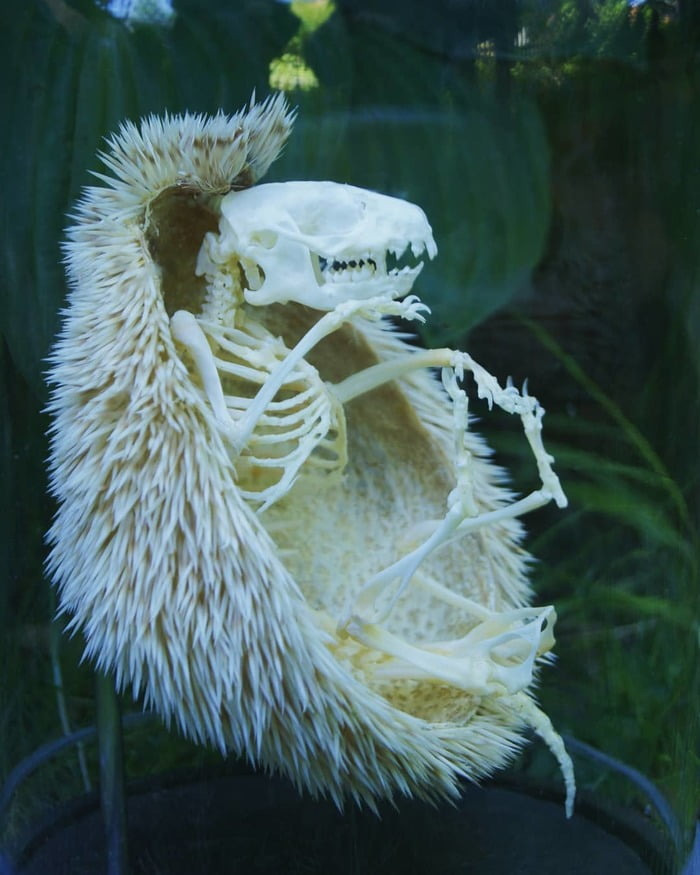
Image source:
ZombieBorscht
Just look at this cute coat the hedgehogs wear. Be careful though – it’s pointy!
#20 This Fascinating Creature, A Deep-Sea Squid, Was Video Taped By
Shell Out In The Perdido Area Of Alaminos Canyon, At 7800 Ft. Depth
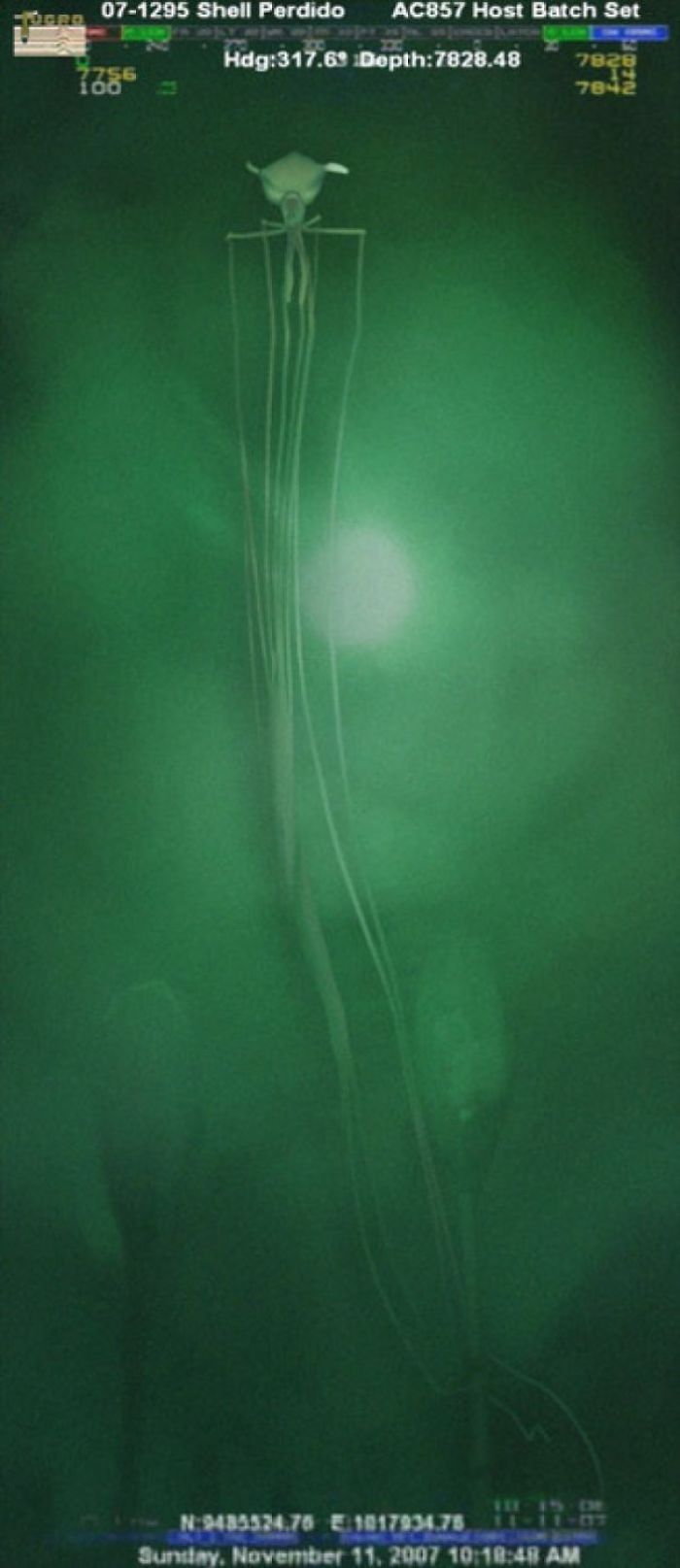
Image source:
Peter Etnoyer
This alien-like monstrosity was captured on video in the Gulf of
Mexico back in 2007. It’s actually the bigfin squid, although not much
is know about these species. This particular one was measured to be
around 8 m (26 ft) long.
#21 Found A Beehive While Renovating An Old House
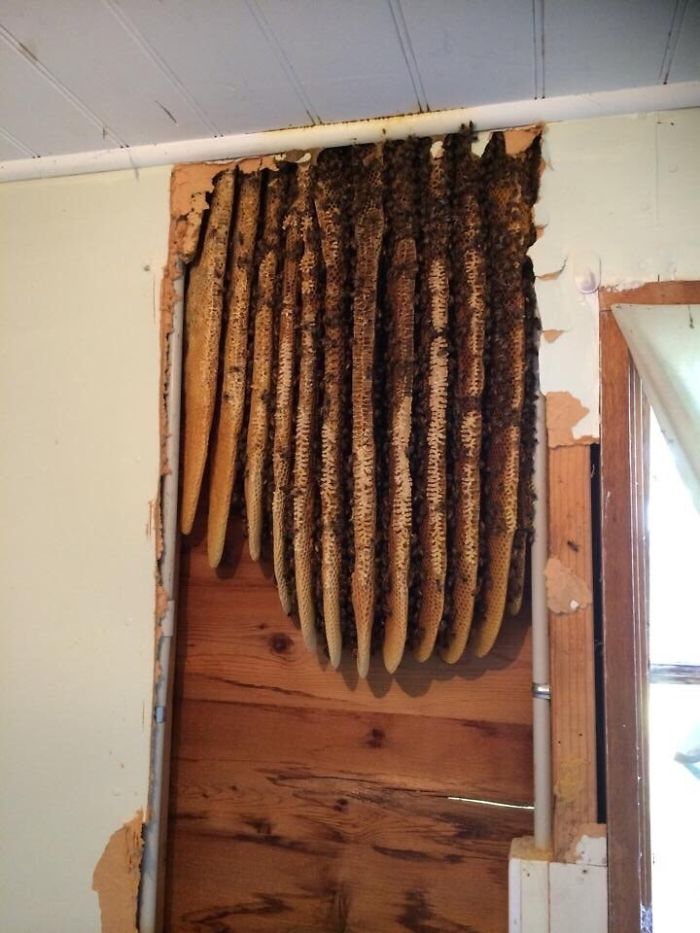
Image source:
blokeman
While renovating a house, someone found a whole beehive inside one of
the walls. Is that really a problem? One one hand, bee stings and mold
are pretty bad, but on the other hand – free honey! So you be the judge
here.
#22 Someone Bugged His Phone

Image source:
MosDef52
This nightmare inducing thing usually happens during fumigation – the
insects try to escape the poisonous chemicals and try to crawl inside
the smallest crevices they can find. They usually die there, if that
makes it better.
#23 Something Is Growing Inside A Bottle Of Natural Orange Juice I Abandoned Inside A Cabinet For Over A Year
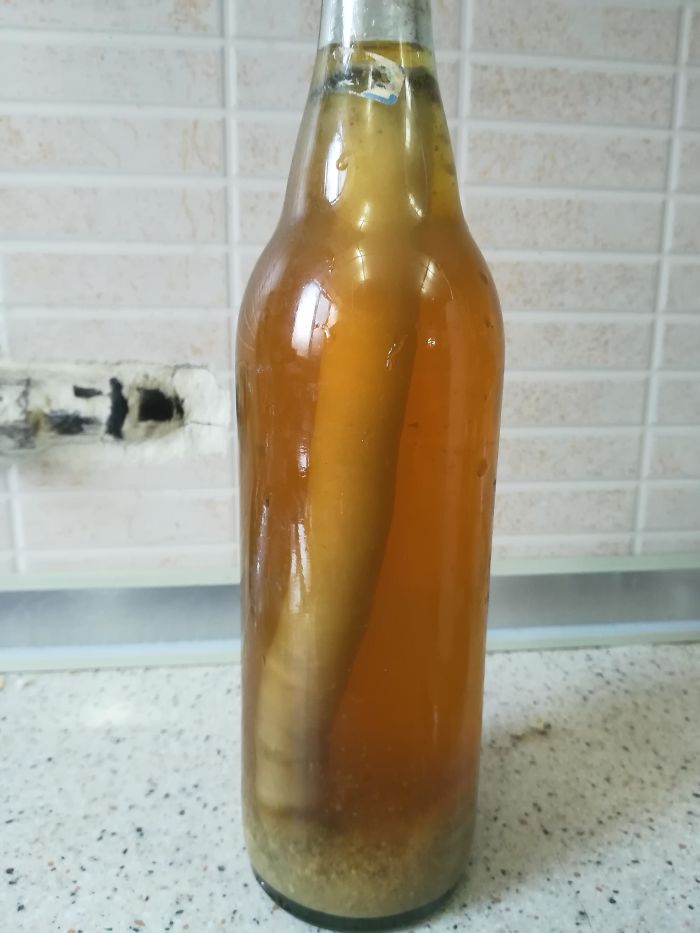
Image source:
adun-d
After someone posted this old juice bottle they found in a cabinet,
people guessed that it might be a cylindrical yeast colony. If you’re
interested, the guy actually
opened it!
#24 You Can See The Back Of An Owl’s Eye Through Its Ear
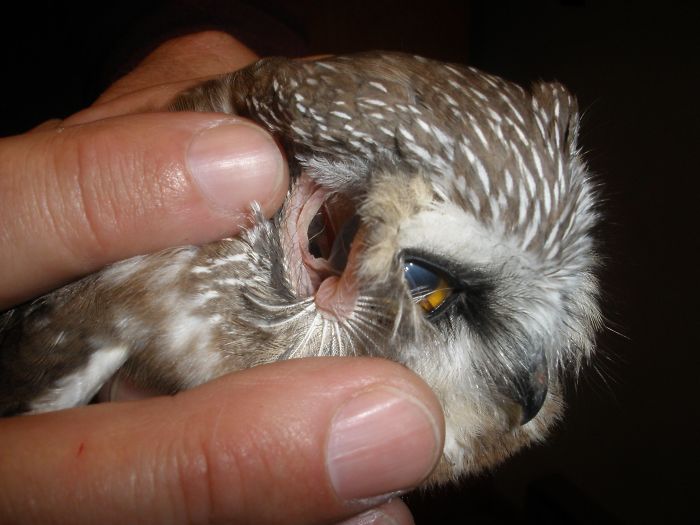
Photographer Jim McCormac says that since owls lack external ear
structures most mammals have, their ears are just simple openings in
their skulls, covered by feathers.”But these owls’ unusually large
earholes and eyes also offer a “behind the scenes” peek at their visual
system, showcasing the evolutionary adaptations in sight and hearing
that make the birds so successful at stealthy nighttime hunting,” says
the photographer.
#25 Hydnora africana
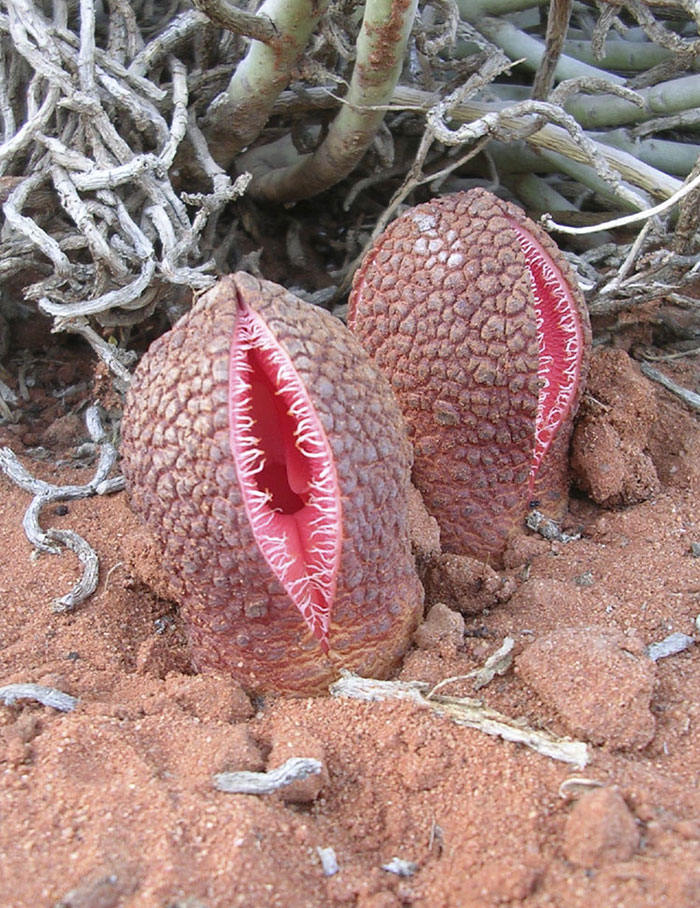
This disturbing plant not only looks creepy but also reeks of feces. The smell helps the
Hydnora africana attract dung beetles – its natural pollinators.
#26 Just Going To Run
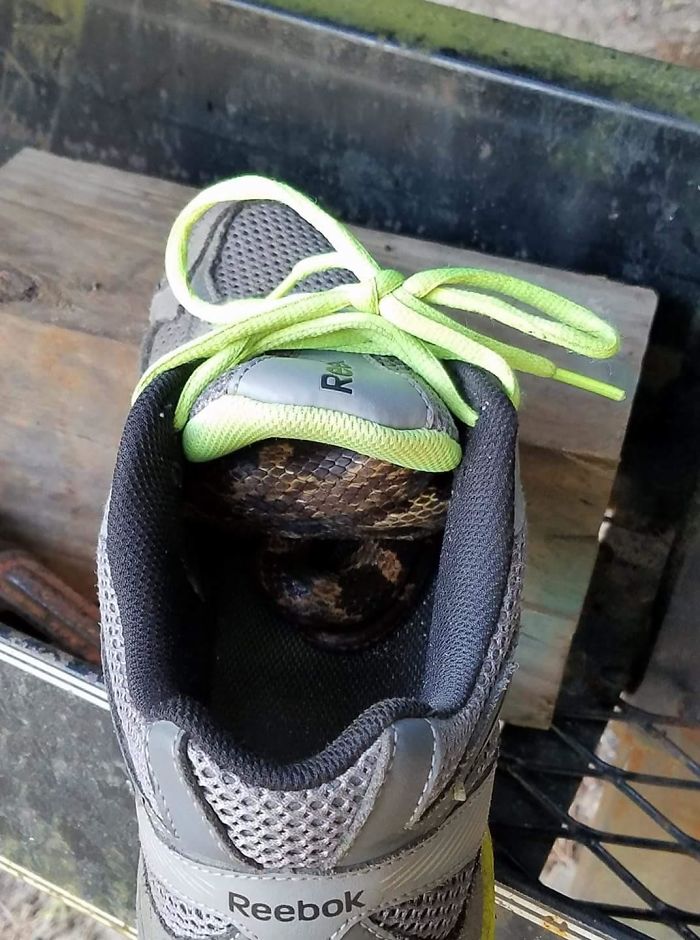
Image source:
TurboTitan92
Honestly, that’s just one more reason to never run again in your life, ever.
#27 Snake Was Electrocuted Then Bitten By Another Snake, Which Was Also Electrocuted

Image source:
Hilltopchill
Just when you think your day can’t get any worse. Shocking!
#28 Grow Bigger Or Die
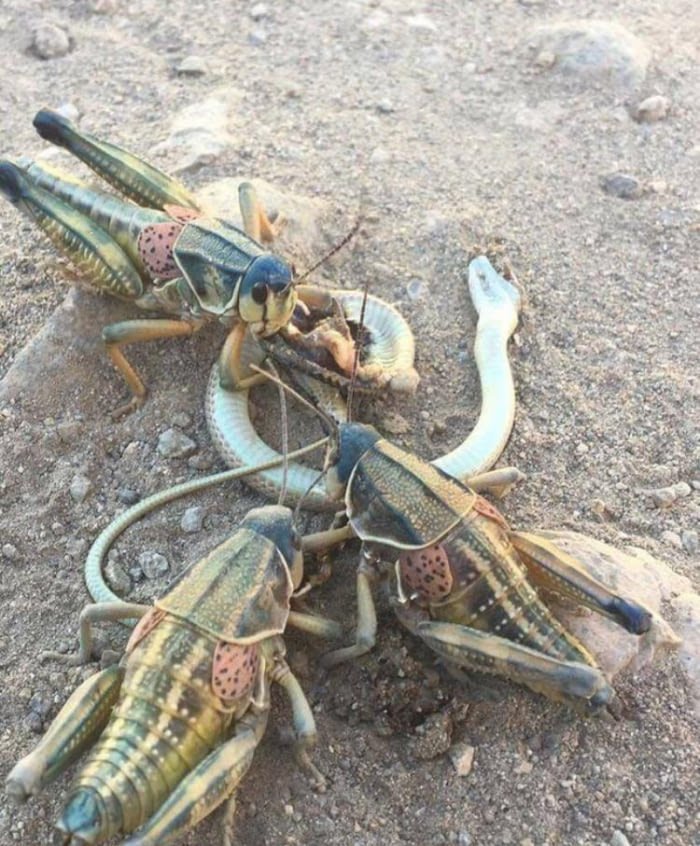
These grasshoppers look like something out of a post-apocalyptic
movie! Or maybe it’s just a really tiny snake? We can only guess.
#29 The Assassin Bug – The Ferocious Bug That Sucks Prey Dry And Wears Their Corpses
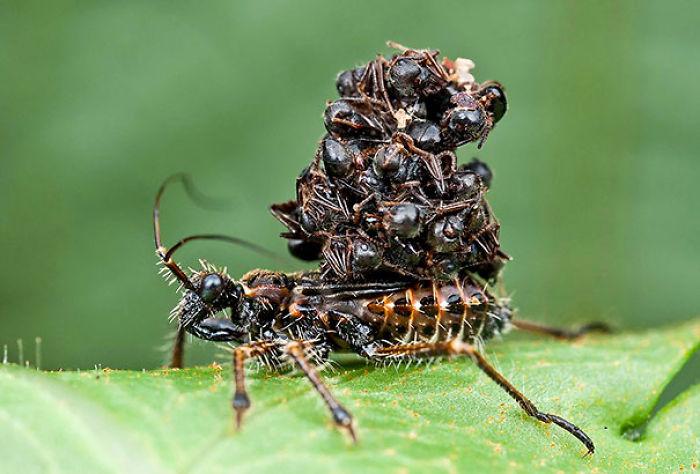
Image source:
orionmystery
This badass bug looks pretty ‘metal’, carrying the corpses of his
victims on his back. He says he does it to camouflage himself from
jumping spiders, but everyone knows he only does it to look cool.
#30 Weird Mold Growing Out Of Cat Food Can I Left In An Empty Room For 10 Days
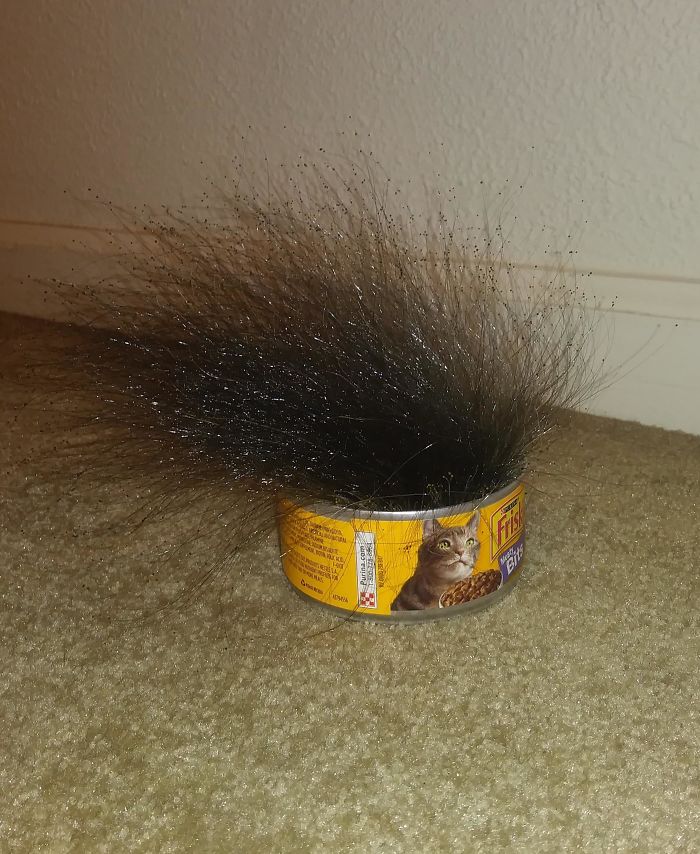
Image source:
sideshowbvo
This type of fungus is called
Phycomyces and is relatively harmless. Maybe keep it for another week or two and you’ll get a cool free wig out of it?


